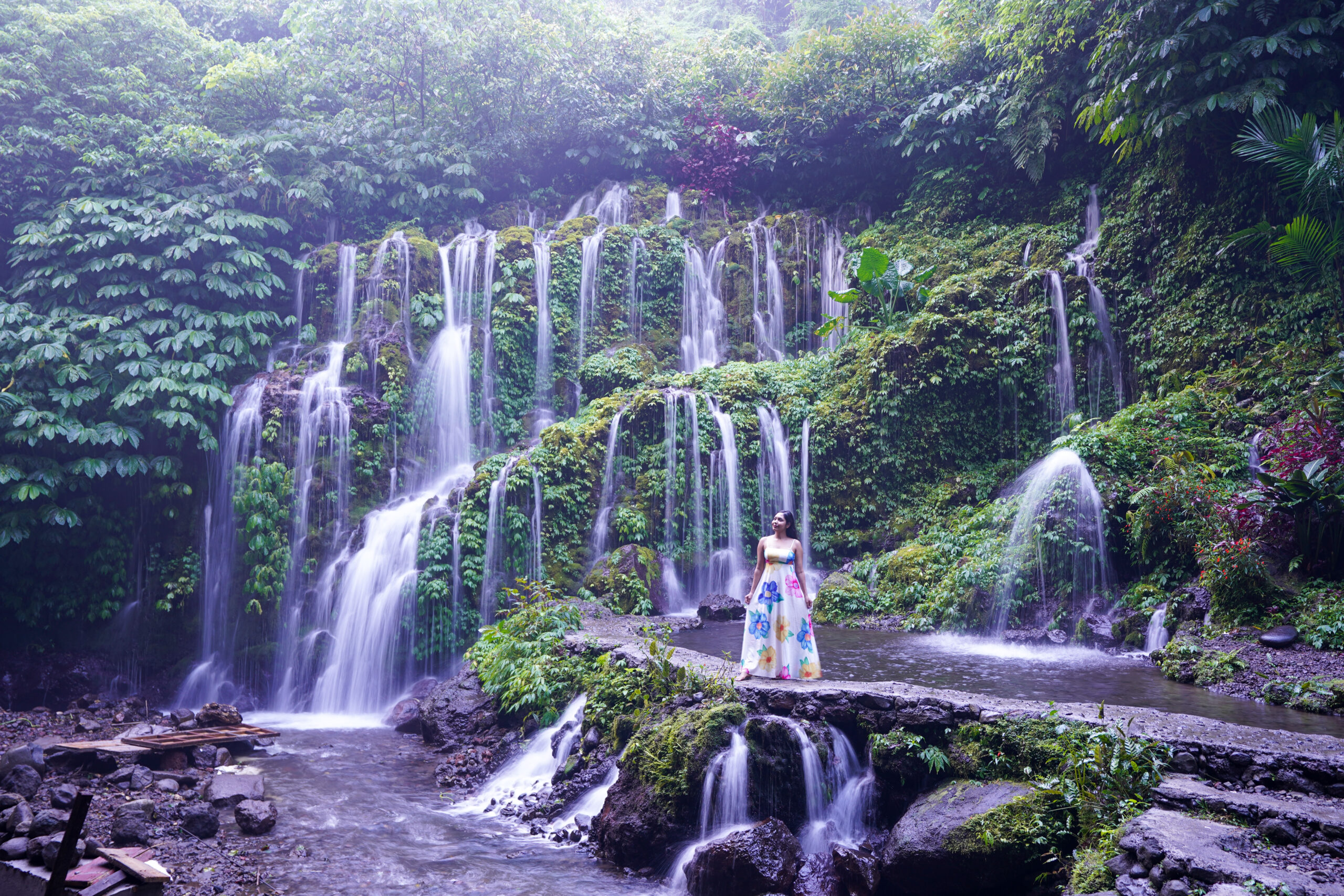
Vietnam is one of the most diverse destinations in Southeast Asia. From the limestone karsts of Ha Long Bay to the rice terraces of Sapa and the vibrant streets of Hanoi’s Old Quarter, the country offers an incredible mix of culture, nature, food, and adventure – perfect for every type of traveler, whether you’re backpacking or traveling with family.

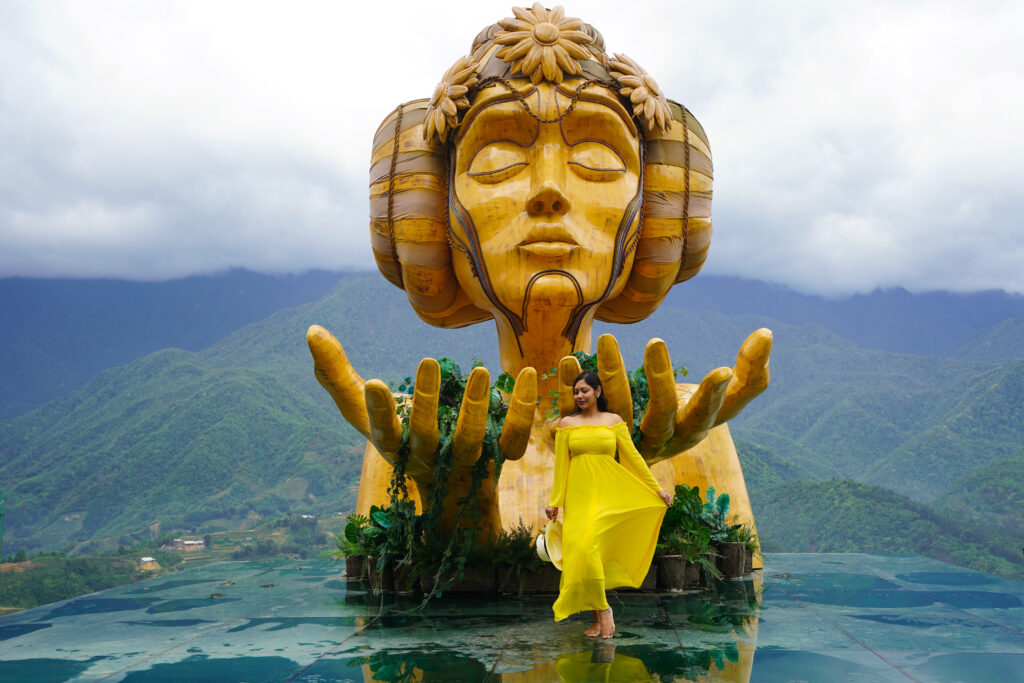
Vietnam wraps you in a rhythm that feels both chaotic and calm at the same time – and once you experience it, you may never want to leave.
This ultimate 7 day Vietnam itinerary will show you exactly how to explore Ha Long Bay, Sapa, Ninh Binh and Hanoi, including where to stay, what to do and practical tips to make your trip easier.
Affiliate disclosure: This post contains affiliate links. If you book through one of these links, I may earn a small commission at no additional cost to you.
Stay Connected in Vietnam (eSIM Tip)
Before arriving in Vietnam, we set up an eSIM with Airalo, and honestly, it made the entire trip so much easier.
Instead of dealing with physical SIM cards at the airport or struggling with local setup, we had instant internet as soon as we landed in Hanoi. It worked seamlessly throughout our trip – from Ha Long Bay to Sapa and even in more remote areas like Ninh Binh.
Having reliable data made a huge difference for:
– Google Maps navigation
– Booking rides and checking travel times
– Translating signs and menus
– Staying connected while on the road
If you’re traveling through Vietnam (or Southeast Asia in general), I highly recommend setting up an eSIM before you go. It saves time, stress, and honestly just makes everything smoother.
We used Airalo for this trip and it was one of those small things that made a big difference. Get Your Vietnam eSIM here.
Best time to visit Northern Vietnam
October – April
✔ Cooler temperatures
✔ Less humidity
✔ Better visibility in the mountains
✔ More comfortable exploring
Ideal Months
October – November → Clear skies, great for Sapa + Ha Long Bay
March – April → Pleasant weather, greenery everywhere
Be Careful With: June – August
Very hot
Very humid
Heavy rain
Ha Long Bay can look grey
Fansipan can be completely foggy
December – January
Cold in Sapa (yes, surprisingly cold!)
Can be misty
How to Travel Around Northern Vietnam
There are several ways to travel from Hanoi to Sapa, and the best option depends on your budget, comfort level, and schedule.
1. Sleeper Bus (Most Popular Option)
• Travel time: 5–6 hours
• Price: $15–$30 USD
• Many buses depart overnight, allowing you to save both time and a night of accommodation.
• Companies like Sapa Express and Green Bus offer comfortable sleeper cabins. This is one of the most popular and affordable ways to reach Sapa, especially for backpackers and budget travelers.
2. Limousine Van
• Travel time: 5–6 hours
• Price: $25–$40 USD
• Smaller vans with comfortable reclining seats
• Often includes hotel pickup in Hanoi’s Old Quarter. Limousine vans are a great balance between comfort and price, making them a very popular choice for many travelers.
3. Train from Hanoi to Lào Cai
• Travel time: Around 8 hours (overnight train)
• Price: $30–$70 USD depending on cabin class
The train takes you from Hanoi to Lao Cai, which is the nearest train station to Sapa. From there, it’s another 1-hour drive(about 33 km) to reach Sapa town. This option can be a fun experience, especially if you enjoy scenic train journeys and overnight travel.
4. Private Car
• Travel time: 5–6 hours
• Price: $120–$180 USD
This is the most comfortable option and ideal for families or travelers who prefer flexibility.
Our Experience: Hiring a Private Driver
For our trip, we actually hired a private driver for the entire 7 days, and it was one of the best decisions we made. Having your own car gives you so much flexibility. You can stop at scenic viewpoints, take breaks whenever you want, or even pull over to grab a fresh coconut or sugarcane juice from roadside vendors – something that’s much harder to do when traveling by bus or train. Our driver took us everywhere, from Ha Long Bay to Sa Pa, Ninh Bình, and back to Hanoi.
If you have the budget, I highly recommend hiring a car. It makes traveling between destinations much easier and far more comfortable.
Also, most foreigners are not allowed to drive in Vietnam with a regular international driver’s license, and honestly, after seeing the traffic in Hanoi, I can’t imagine driving there myself. The roads can feel chaotic, and having a local driver who knows the routes and traffic patterns makes the whole journey much smoother and stress-free.
Tip: If comfort and convenience are your priorities, hiring a private car or taking a limousine van is usually the best option.
Day 1: Ha Long Bay
Ha Long Bay is a UNESCO World Heritage Site for its exceptional natural beauty. It’s famous for 1,600+ limestone karsts & islets, emerald waters and cave systems.
From Hanoi, we had breakfast at our hotel. After that we wasted no time and went straight to Ha Long bay. It’s about two and half hours drive. Traffic in Hanoi can be painful, especially on weekends, it is absolute chaos. Make sure to start your day early in the morning.
We chose 2 days 1 night cruise with Scarlet Pearl.
After arriving at their dock, they checked our reservation and advised that they would take us in a speedboat to our cruise. We boarded around 11:45 and it was 40 mins boat ride to our cruise. We were welcomed with shower of rose petals and they took us straight to lunch buffet and the food was absolutely delicious. We were traveling with our 10-month-old son. We ordered additional food for him and they instantly made it.
Around 2 PM, there was a cave tour. Unfortunately, we had to skip it as our son was sleepy and really jet lagged. From our city to Ha long bay, there were 13 hours time difference. So we spent the day relaxing by the balcony and upper deck of the ship. Around evening, there were light snack at the upper deck and music. We enjoyed our snack and watched the beautiful sunset. It was one of the most beautiful sunsets I have ever seen.
The dinner was around 7 pm and again the food was absolutely delicious and crews were amazing. One of the crew lady offered to hold my son while we have our dinner and my son really liked her. The crews went above and beyond to make sure we had an incredible stay. In addition, our room came with a foot massage and we completely took advance of it. We ended the day with a relaxing massage. That was the perfect way to wrap up the day.
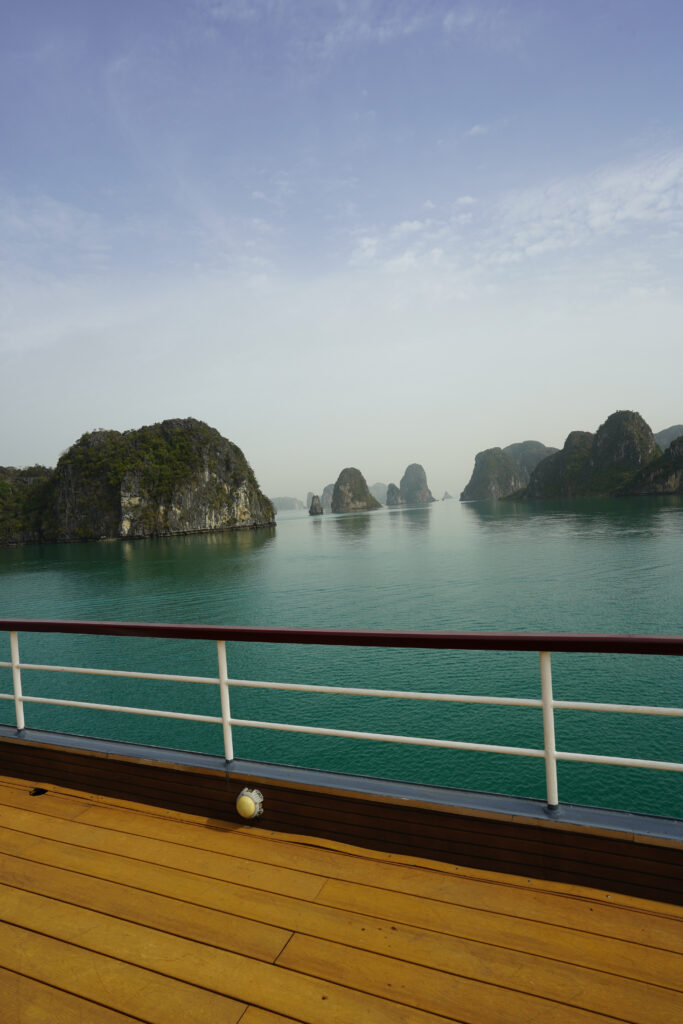
Ha Long Bay
The Magic of Ha Long Bay
Ha Long Bay is truly one of the most breathtaking places I have ever seen. What makes it so special isn’t just the famous limestone karsts – it’s the endless small inlets that stretch as far as your eyes can go. One inlet after another, layered between emerald waters and dramatic rock formations, creates a landscape that feels almost unreal. It’s peaceful, grand, and intimate all at once.
My 2 cents on Ha Long Bay:
I felt like it was over commercialized. There are hundreds of ships there and I saw garbage like plastic bottles, chip packets on the water which made me really sad.
Day 2: Ha Long Bay to Sapa
After a calm and restful night on the boat, the real magic begins early in the morning. Around 6 AM, they take you on a small speedboat to the quiet corners of Ha Long Bay – places the larger cruise ships simply can’t reach. The stillness at that hour, with soft morning light touching the rocks, feels incredibly special. You can also go kayaking, which I highly recommend. Paddling gently through the water allows you to get so close to the towering limestone boulders, glide into hidden inlets, and truly appreciate the scale and beauty of the bay. It’s peaceful, immersive, and one of those moments where you just pause and think – wow.
We had snack and coffee at 8 o’clock then brunch at 10 o’clock. We truly enjoyed our stay with them. I really wish it was longer. Then we disembarked from our ship and heard back to shore.
Our driver came and picked us up. Next destination is Sapa. Sapa is famous for its iconic rice paddy views, jaw-dropping mountain range and lovely local culture. It’s about 7-8 hours drive from Ha Long Bay. Be mentally prepared for the long journey and bring patience as there will be insane amount of traffic when you pass through Hanoi. My 10 months old son slept for the most period and we had to keep him busy and entertained. Something you can do to make the journey more enjoyable – grab a coconut or coconut and sugar cane cocktails drinks.
Day 3 – Fansipan Mountain – The Roof of Indochina
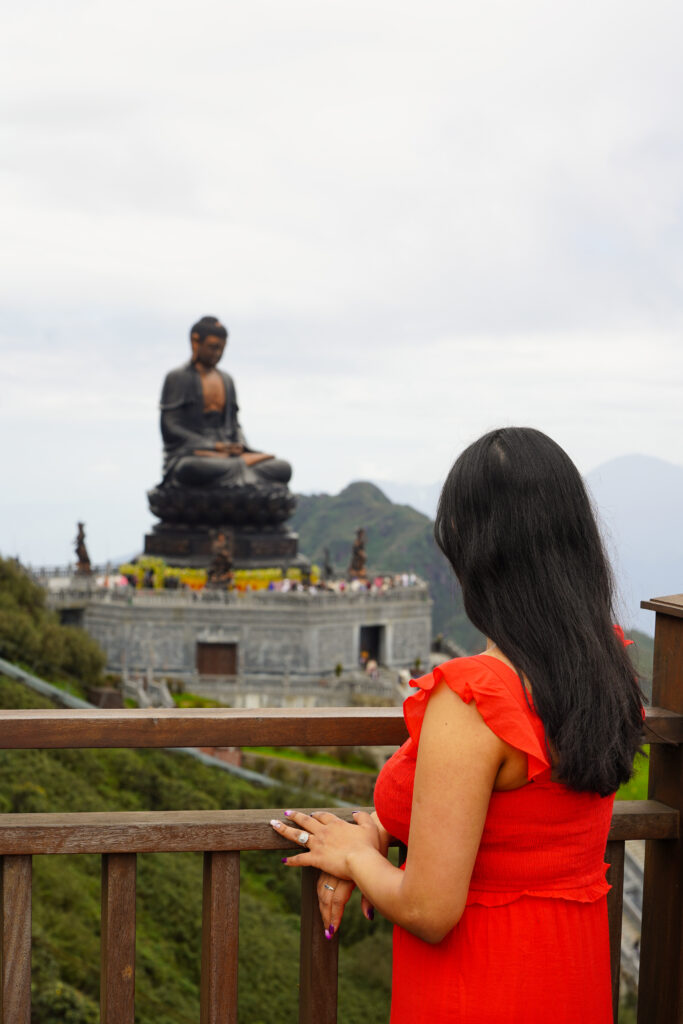
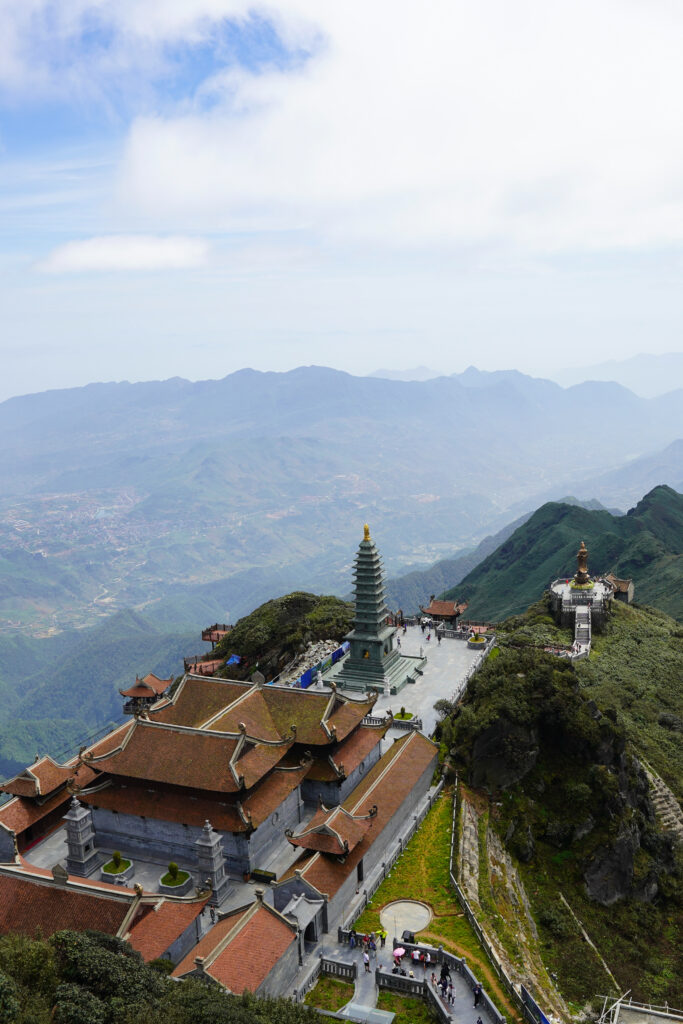
Highest mountain in Indochina – often referred to as the “Roof of Indochina,” Fansipan is the highest peak in Vietnam at 3,143 meters (10,312 ft). The mountain sits within the Hoàng Liên Son range and is one of the most iconic experiences in the region.
Staying in Sapa and visiting Fansipan was one of those experiences that stays with you forever. We stayed at Lady Hill Sapa Resort, which is so close to the Fansipan cable car that you can literally see it from your room — a view that never got old!
Cable Car Ticket (Round-Trip):
Adults: ~800,000–850,000 VND
Runs daily from 7:30 AM to 5:30 PM, with cabins holding up to 35 passengers.
If you’re in Sapa town, the fanicular train also takes you to the cable car station.
We decided to take the cable car up to the summit. This cable car ticket covers the ride up and down to near the summit.
After arriving at the upper station, final stretch to the very top still involves climbing a significant number of stairs unless you take the short summit funicular. We took the funicular up and took the stairs when coming down.
The cable car ride to the summit is an experience in itself. As the cabin car ascends, the landscape transforms dramatically beneath you — terraced rice fields stretch across the valleys, layers of mountains fade into the distance. The cable car dramatically reduces what used to be a multi-day trek into a journey that takes roughly 15–20 minutes, making the summit accessible to families, casual travelers, and those without hiking experience. Once at the top, the gardens, pagodas, and temples create a serene setting to pause and breathe in the fresh mountain air. There are even restaurants if you want a bite while enjoying the view.
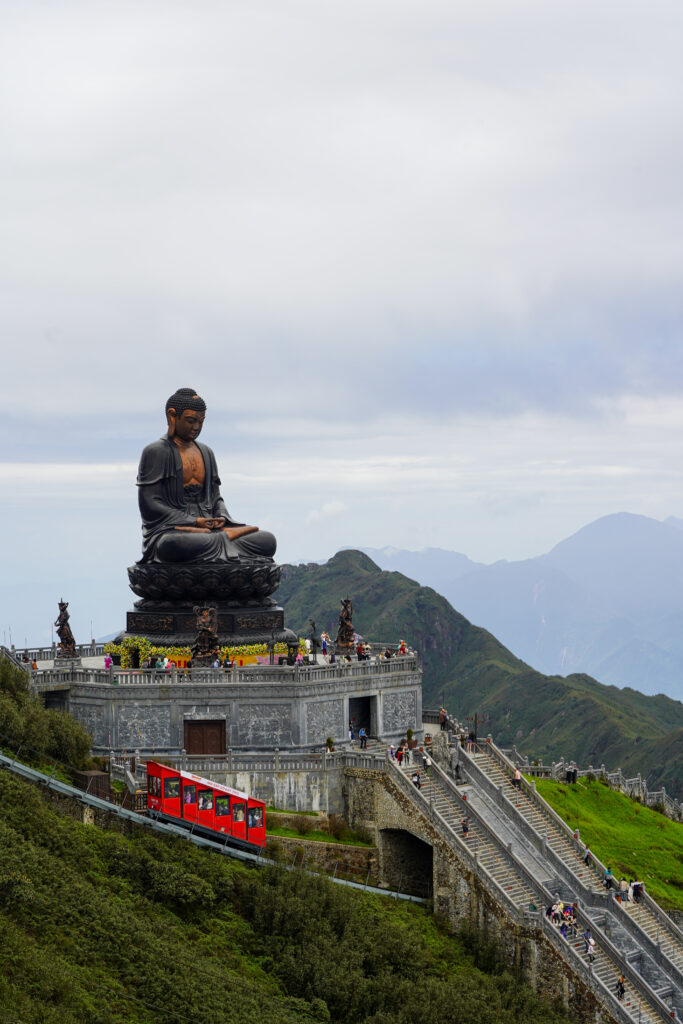
There are multiple viewpoints around the summit, each offering a unique perspective of the surrounding Hoang Lien Son mountain range. The main attraction “Buddha” when you approach it closely, you can truly appreciate how massive and awe-inspiring the statue is. Whether you’re coming for a spiritual moment, to admire the scenery, or just to marvel at the sheer size of the Buddha, there’s something for everyone.
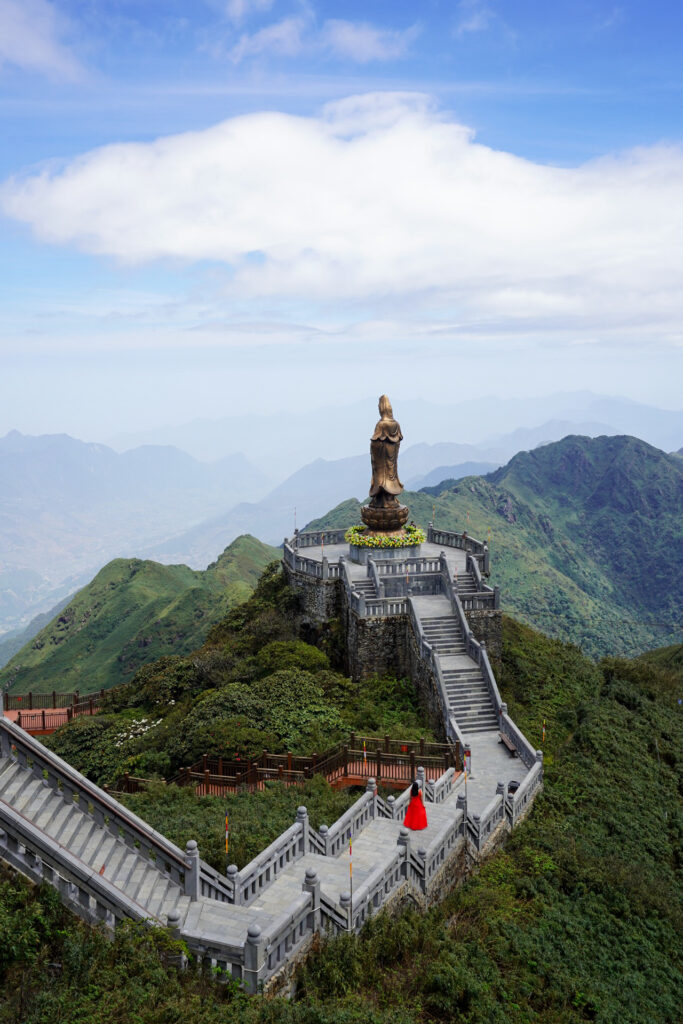
There’s also a statue of a lady, which has its own circular viewpoint. To reach it, you need to descend and then climb some stairs, but it’s absolutely worth it. The lady statue is surrounded by lush mountains that simply take your breath away — one of those views that stays with your heart.
When we were descending the cable car, the Buddha was partially covered by clouds — it was such a mystical sight!
Practical Tips:
- Check the weather before you go — the ticket counter staff can give a real-time forecast. If it’s too cloudy, visibility will be near zero, and you might not even see the Buddha.
- Wear comfortable shoes – there’s a lot of walking and some stairs.
- Allow 3–4 hours to fully explore the summit, including the lady statue viewpoint and other gardens.
Fansipan is truly a place where adventure, culture, and serenity come together. From the dramatic cable car ride to the massive Buddha, the lady statue, and the breathtaking mountain views, it’s an experience I’ll never forget – and one I’d recommend to anyone visiting northern Vietnam.
Important: Altitude Awareness
Because Fansipan sits above 3,000 meters, altitude can affect some visitors – even though you arrive by cable car rather than hiking.
You may notice:
- Mild shortness of breath, Light dizziness, Headache
The ascent is quick, which means your body doesn’t have much time to adjust. If you’re traveling with children like we did, please take your time walking around the summit, I also recommend taking the funicular to reserve energy, stay hydrated and most importantly rest if needed.
If you start feeling unwell, descend promptly. Symptoms usually improve once you return to a lower altitude.
Is It Worth It?
Despite the altitude and changing weather conditions, the journey to Fansipan is one of the most striking experiences in northern Vietnam. Thankfully the day we picked was a clear day, the views stretch endlessly across the mountain range.
Whether you visit for the scenery, the spiritual temples near the summit, or simply to stand on the highest point in Indochina, Fansipan remains one of the most memorable highlights of a trip to Sapa.
Cat Cat Village
is a popular, scenic, and heavily tourist-oriented Black Hmong community nestled in the Muong Hoa Valley, just 2km from Sapa town in Northern Vietnam. Established in the 19th century, it features traditional wooden stilt houses, rice terraces, a waterfall, and cultural performances.
When to go:
Early morning or late afternoon is recommended to avoid large crowds and for better lighting. We went in the evening after spent the whole morning and afternoon in the Fansipian mountain and it was amazing.
Our driver dropped us off near where you can buy the tickets. And it’s an additional more or less 2 km hike to the village and either can walk or take a scooty to go to the village.
We opted out of Scooty as my son was a bit sick. He had a runny nose. My son was strapped to my husband while riding. I could tell my son was having a time of his life. Honestly he likes bumpy ride and fell in sleep. I had to take a separate scooty. It passes through the rice paddy fields, so much greenery and as the scooty was making its way through the gentle breeze took away all my tiredness.
Is Cat Cat Village worth it?
I know many people say Cat Cat village a bit touristy. But I find it quite opposite. There’s still a rustic charm here, and the village is incredibly scenic. It maintains an old-world aesthetic with traditional wooden houses, many of which are decorated with beautiful lantern lights. The village has two sides connected by a charming wooden bridge. Underneath the bridge, you’ll see horses tied nearby, pigeon houses, stone pathways, and most notably, the stunning Tiên Sa Waterfall.
As soon as you arrive, all you can hear is the sound of the waterfall and occasional local performances. While many traditional wooden homes have been converted into shops, cafés adorned with lanterns, or exhibition spaces for tourists, some H’Mong families still live there.
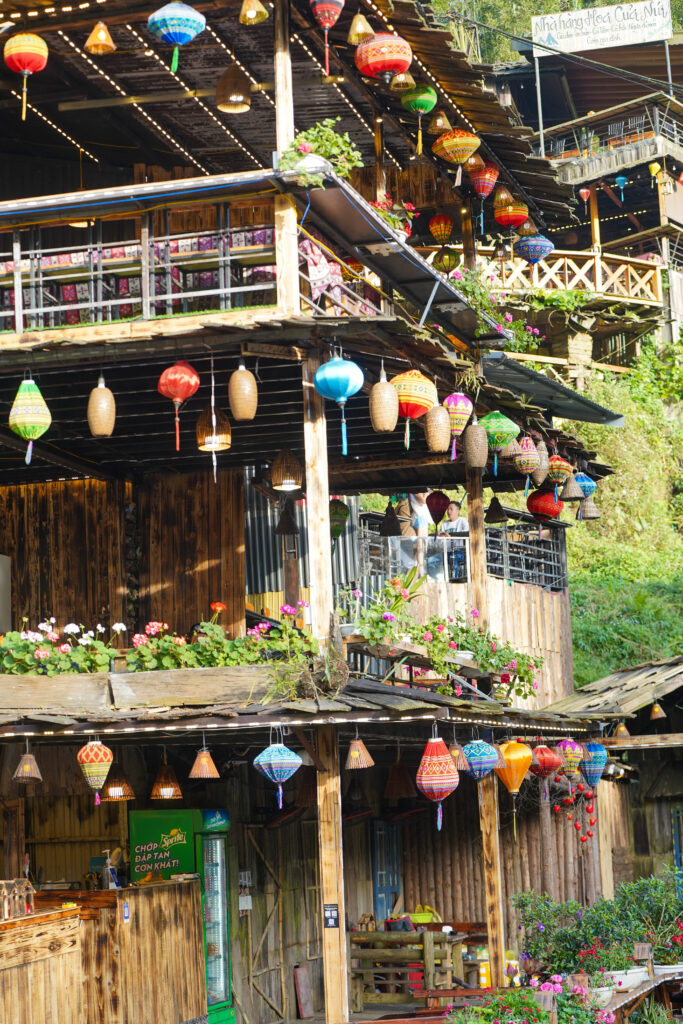
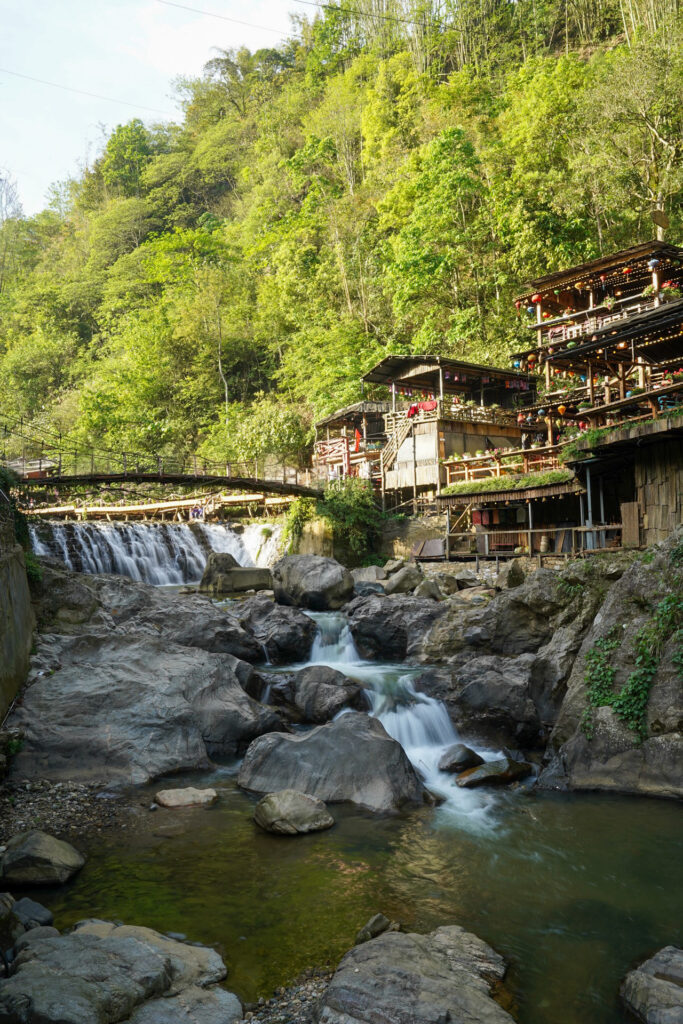
Cat Cat Village
Day 4- Moana Cafe, Lao Chai Village and Sapa Town
Moana Sapa is designed with photography in mind, but it doesn’t feel overly commercial. You’ll find several creative installations spread across the property, including a Bali-inspired “Gate of Heaven,” a giant hand sculpture extending over the valley, glass bridges, scenic swings, and multiple viewing platforms. Each spot is positioned to frame the surrounding landscape beautifully, so even casual photos turn out impressive. The entrance fee is around 90,000 VND per person, and it includes a complimentary drink at the café, which is a nice touch and gives you an excuse to sit down and soak in the scenery for a while.
We were lucky to visit on a clear day, and the views were genuinely stunning. From Moana, you’re looking out over a wide valley layered with rice paddies that stretch toward the Hoàng Liên Sơn mountain range. The contrast between the lush green fields and the dramatic peaks makes the whole scene feel almost unreal. Off to the right, you can see the town of Sapa sitting along the hillside, which adds another dimension to the view – a mix of nature and everyday local life. If possible, try to go when the weather is clear, as fog can sometimes roll in and limit visibility.
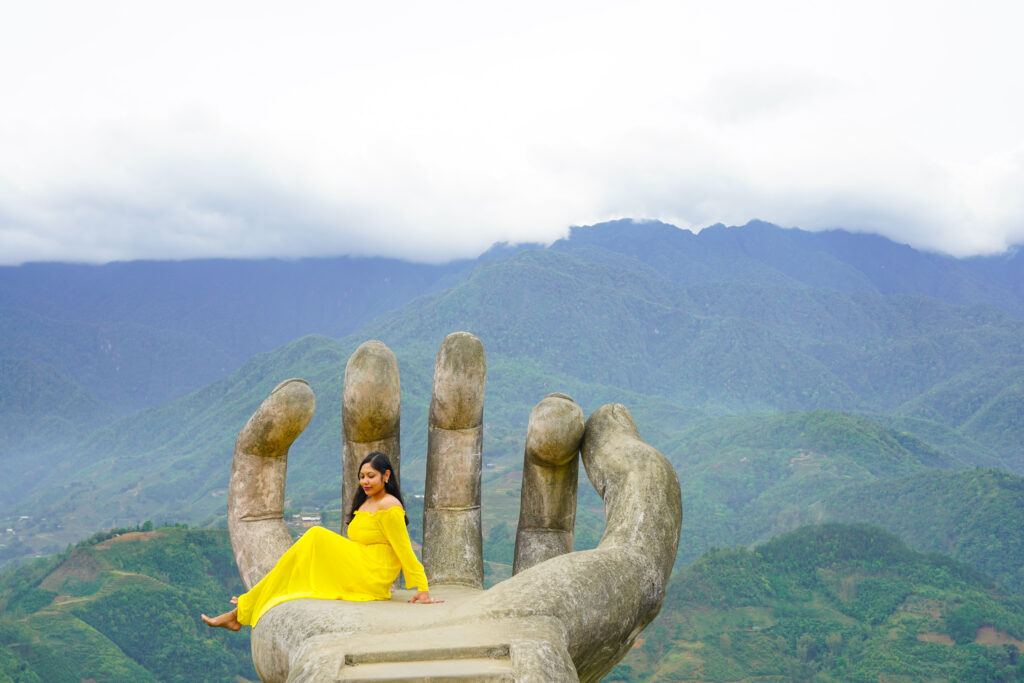
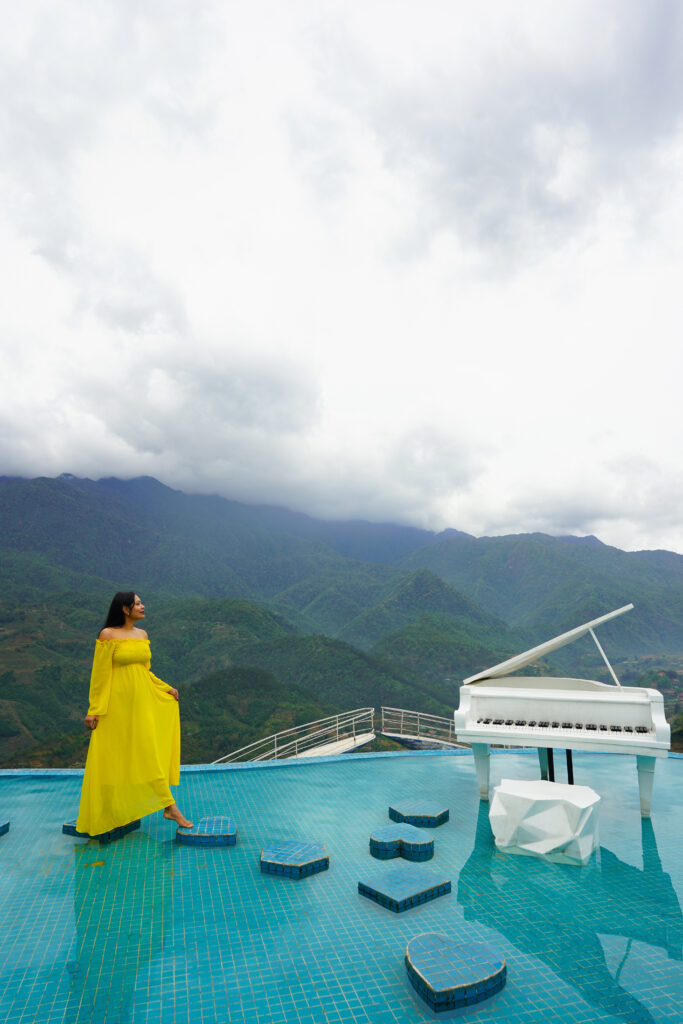
Moana Café overlooking the misty mountain range of Fansipan.
Lao Chai Village
Make sure to visit at least one local village while you’re in Sapa – we chose Lao Chai Village, and it ended up being one of the highlights of our trip.
Lao Chai is a peaceful, traditional village about 8–10 km from Sapa town, known for its stunning views over Muong Hoa Valley and its strong Black Hmong cultural presence. The setting feels incredibly authentic, with wooden houses scattered across the hills, sweeping mountain views, and endless rice terraces stretching into the distance. It’s the kind of place where life moves a little slower.
Cars aren’t allowed inside the village, so our driver dropped us off near the entrance and we continued on foot. Almost immediately, we were approached by two local women – one carrying a baby on her back – gently offering handmade bags for sale. It’s a common sight in the area, and it gives you a glimpse into daily life there.
The main path through the village is lined with small restaurants and local shops selling traditional conical hats, handmade textiles, lanterns, and souvenirs. Ironically, we ended up buying our souvenirs from the only shop that had a card machine.
Right across from that shop was a small restaurant, and we were absolutely starving – but running low on cash. The shop owner kindly told us we could eat at the restaurant, pay her by card, and she would settle the bill with the restaurant owner later. It was such a simple but generous act, and one of those small moments that stays with you.
If you’re planning to trek through the rice fields, I highly recommend hiring a local woman as your guide. They know the rice terraces inside out and can navigate routes you’d never find on your own. It’s also a meaningful way to directly support local women and the community while experiencing the landscape more intimately.
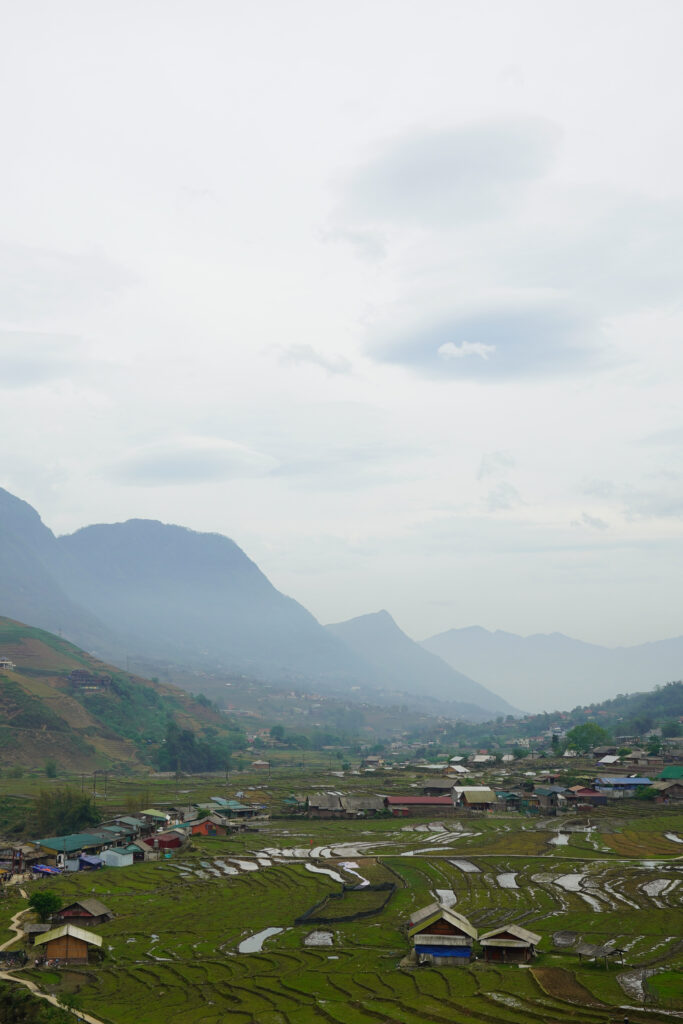
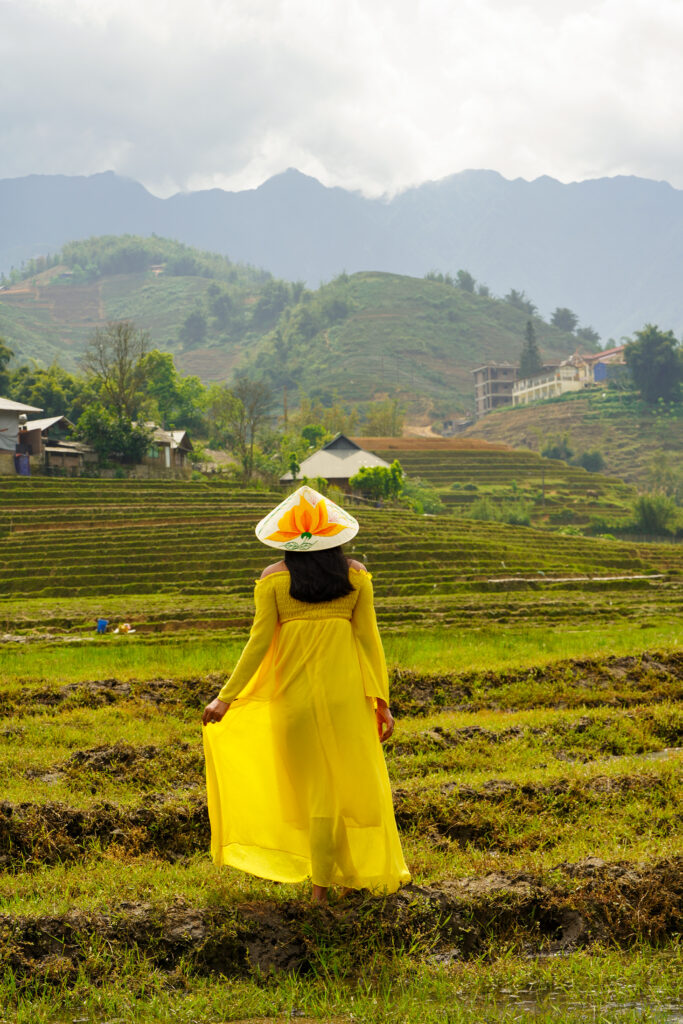
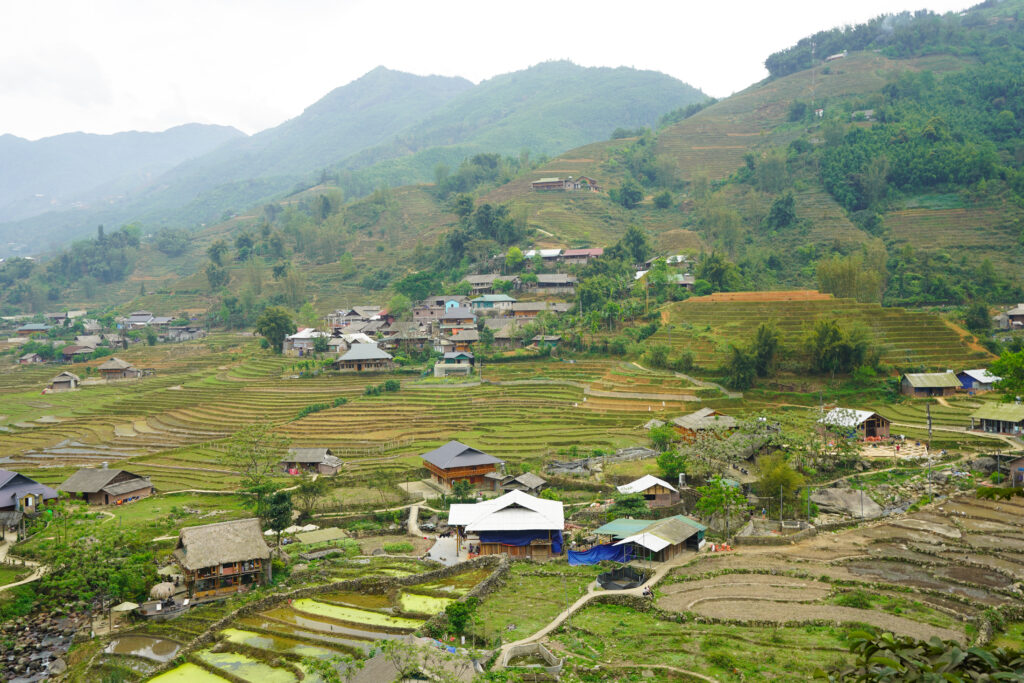
Endless rice fields in Lao Chai Village
Viettrekking Café
If you’re spending an evening in Sapa, make sure you stop by Viettrekking Café. Perched on the edge of town, this café is known for its breathtaking panoramic views over the mist-covered valleys of Sapa. As the sun begins to set and the mountains slowly fade into layers of blue and grey, the whole place feels incredibly peaceful.
Try to grab a seat outside – the open-air terrace is the best part. The fresh mountain air, a warm cup of coffee, and endless valley views make it the perfect place to slow down after a day of exploring.
And you’ll see the iconic red mountain train pass by on its way from Sapa town to the Fansipan cable car station. Watching it pass through against the dramatic backdrop is such a picturesque moment – it almost feels cinematic.
It’s not just a café stop – it’s an experience.
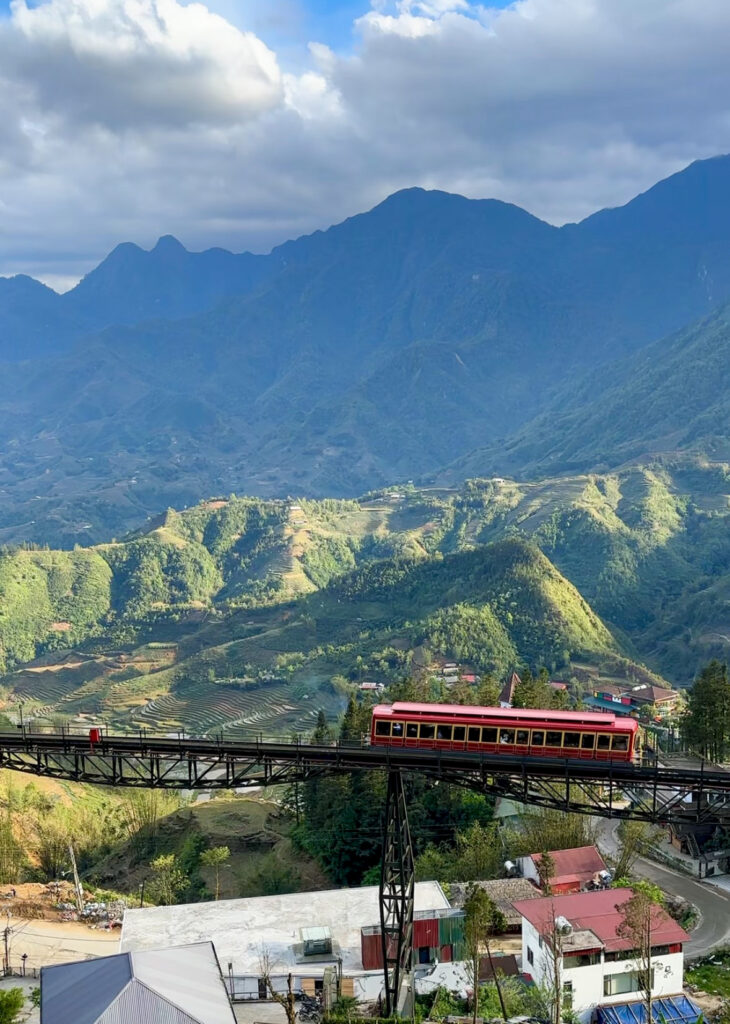
The famous red train that starts in Sapa and takes you to the Fansipan Cable Car station
Stroll in Sapa town
Last but not least, if you have the time, go for an evening stroll in Sapa town. We spent about an hour wandering through the streets, and it felt like a fascinating glimpse into Vietnamese life in the mountains. As the air cooled after sunset, the town slowly transformed.
Lantern-lit shops glowed warmly along the streets, adding color and vibrancy everywhere you looked. Restaurants were buzzing with people enjoying bowls of hot pho, steam rising into the crisp mountain air. We made our way toward Sapa Lake, right in the heart of town. Just after sunset – that magical moment before it gets fully dark — the buildings began to light up one by one. Their reflections shimmered on the water, with the silhouette of the Fansipan mountain range quietly standing in the background.
It was peaceful. Simple. Beautiful. One of those travel moments that doesn’t need anything extravagant – just being there was enough.
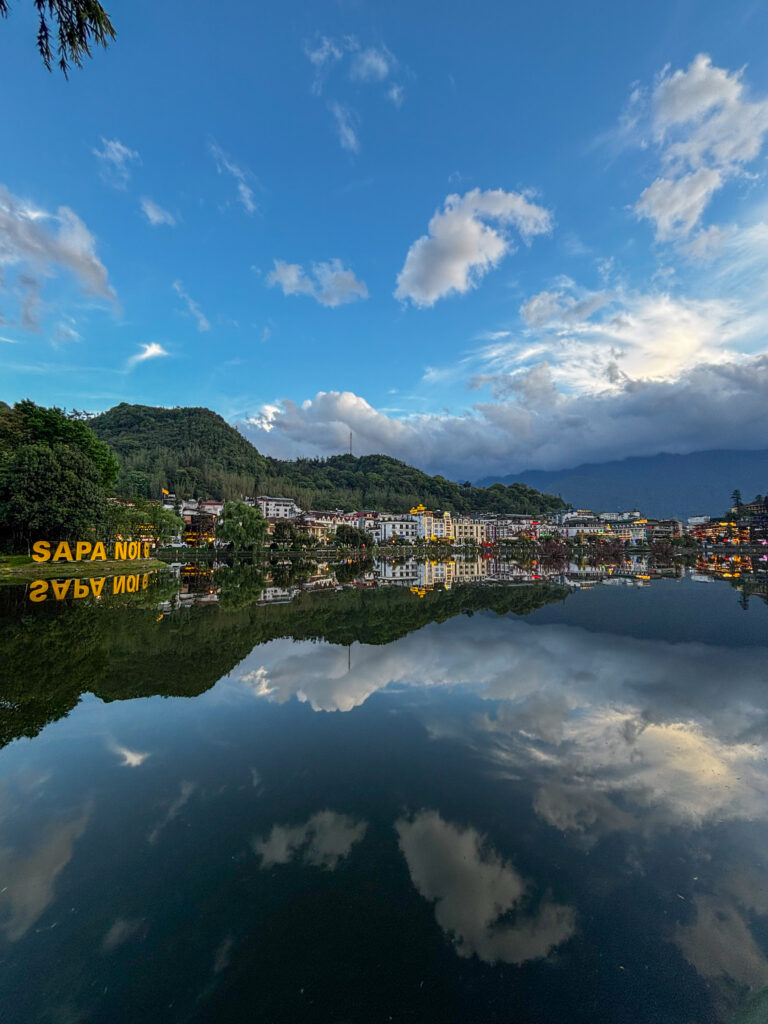
Sapa Lake at Dusk
Day 5: Travelling to Ninh Bình
We started our day a bit late. After a good breakfast (our hotel came with breakfast), I really wanted to check out hotel pool as I didn’t have time to do that as last 2 days were travel packed. View from our hotel pool was insane, mountains in the background. It was perfect. We started our journey around 11 o’clock, and it’s a 6-hour drive to Ninh Bình from Sapa. It took longer for us due to traffic in Hanoi. We arrived in Ninh Bình around 6 PM and stayed at Indochine Boutique Hotel Ninh Bình. Ninh Bình is relatively cheap compared to Hanoi and Sapa, and you may come across many backpackers. From our hotel, it was within walking distance to many restaurants, and we had dinner right beside the water – it was the perfect way to end the day.
Day 6: Ninh Bình Mua Cave (Hang Múa)
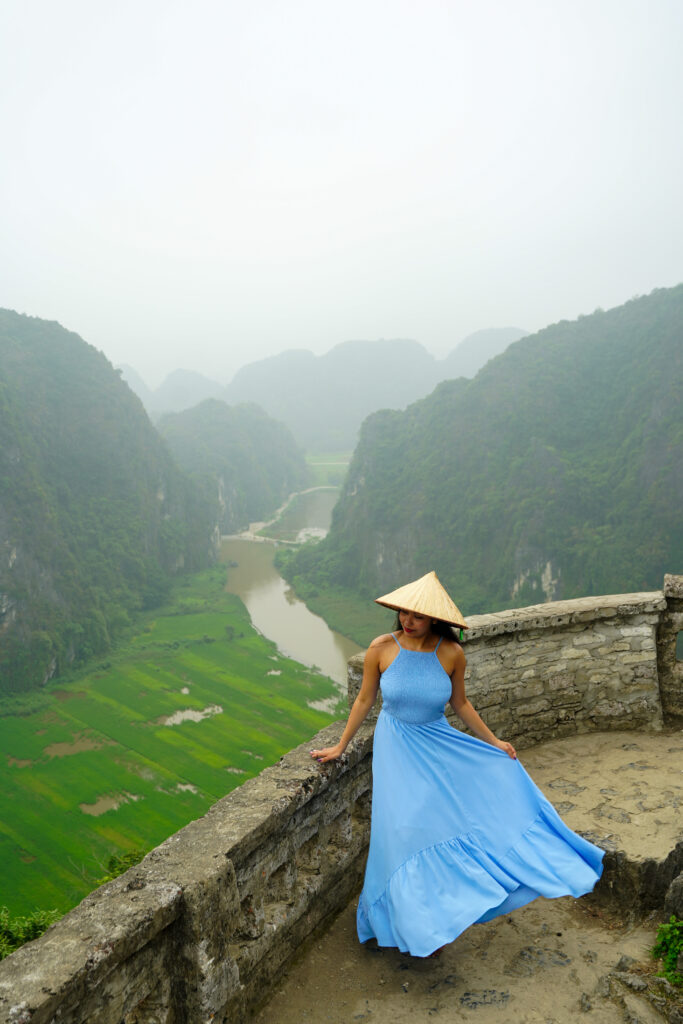
If you’re visiting Ninh Binh, chances are you’ve seen photos of the dramatic dragon statue perched high above rice fields. That iconic viewpoint is located at Mua Cave (Hang Múa) – one of the most popular attractions in the area.
But with 500 steep steps to climb, is Mua Cave actually worth it?
Here’s everything you need to know before you go.
Entrance Fee & Practical Information
- Location: Near Tam Coc, Ninh Binh
- Entrance Fee: 150,000 VND per person
- Steps: Approximately 500 stone steps
- Time Needed: 1.5–2 hours total
- Difficulty: Moderate (steep and uneven in some areas)
We arrived at 5:20 AM after reading that it gets extremely crowded later in the day. Starting at 5 AM was one of the best decisions we made. Not only was it cooler, but we had the viewpoint almost entirely to ourselves. If you visit after 8–9 AM, expect tour groups and a much busier experience.
The 500-Step Climb – What to Expect
The climb to the top of Mua Cave consists of about 500 stone steps leading up a limestone mountain. While many people say it takes 45 minutes to an hour, it took us a little over an hour because I was carrying my son in a carrier and needed a few breaks to catch my breath.
Some sections are steep and uneven, and a few areas felt slightly sketchy. Proper shoes are a must – this is not the place for sandals. In certain spots, I had to hold onto surrounding rocks for extra balance. It’s not an easy climb, but it’s manageable if you take your time.
The Two Viewpoints at Mua Cave
One thing many people don’t realize is that there are actually two different viewpoints at the top.
Dragon Viewpoint
This is the most famous and photographed spot. A large stone dragon sculpture stretches along the mountain ridge, dramatically overlooking Tam Coc. You can carefully walk along parts of the dragon for incredible photos, but be cautious – it’s narrow and can be windy.
From here, you get sweeping views of:
- The winding Tam Coc river
- Limestone karst mountains
- Endless rice fields
- Traditional rowing boats gliding below
This is the classic “Ninh Binh postcard” view.
Pagoda Viewpoint
On the opposite side sits a small traditional pagoda perched at the summit. This area feels slightly calmer and less crowded than the dragon side. The views are just as stunning, offering a peaceful 360-degree panorama of the countryside. It’s a beautiful place to pause, catch your breath, and truly take in the landscape.
Lotus Pond at the Base
At the base of Mua Cave, there’s a lotus pond that becomes especially beautiful during lotus season, which typically runs from late May to July.
If you visit during that time, the pink lotus blooms add a stunning foreground to the limestone backdrop. When we visited, the lotus were not in bloom, which is completely normal outside the seasonal window.
If you’re traveling in early summer and have time, it’s worth walking around the pond area as well.
Best Time to Visit Mua Cave
- Early morning (before 7 AM)
- Late afternoon for sunset
Midday can be extremely hot and crowded, especially during peak travel season. If you want photos without crowds, sunrise is your best bet.
Is Mua Cave Worth It?
Yes — absolutely. While the climb is physically demanding, the panoramic views from the top are some of the most breathtaking in Ninh Binh. If you enjoy viewpoints, dramatic landscapes, and a bit of adventure, Mua Cave is 100% worth adding to your itinerary.
However, if you struggle with steep climbs or intense heat, you may find it challenging. Go early, wear proper shoes, and bring water. For us, the view at the top made every single step worth it.
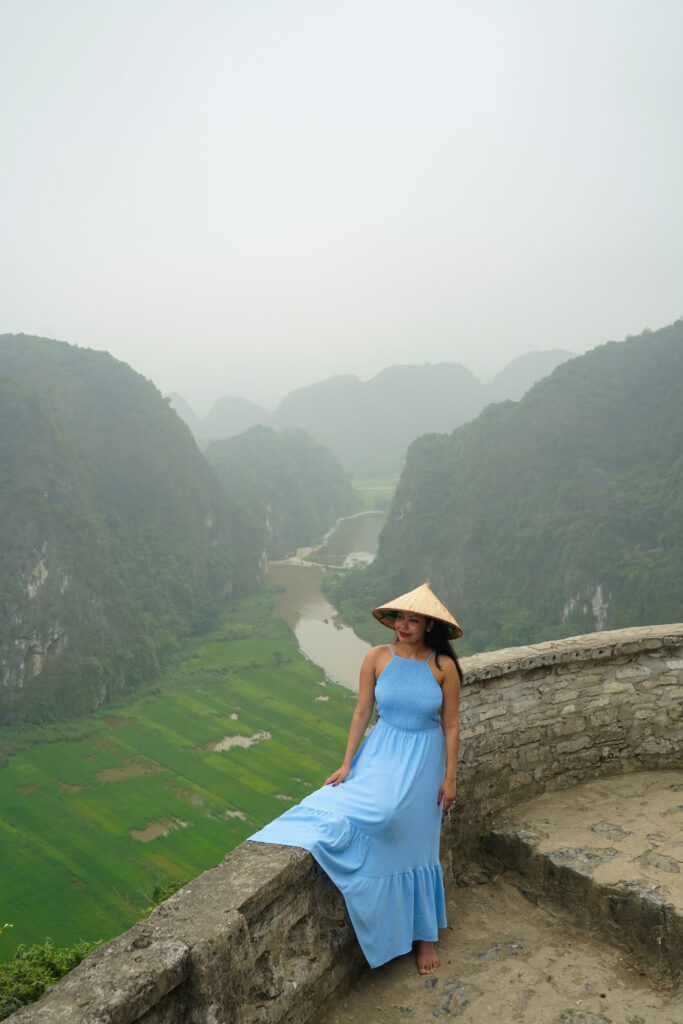
Mua Cave overlooking the Tam Coc River
Trang An Boat Tour: A Must-Do Adventure in Vietnam
The boat tour at Trang An Scenic Landscape Complex is one of the most unforgettable experiences in northern Vietnam.
This UNESCO-listed landscape is famous for its dramatic limestone karsts, emerald waterways, and surreal cave systems. The experience is a 3 hour paddle boat journey through towering mountains, peaceful rivers, and low-hanging caves that feel almost cinematic.
In fact, parts of Kong: Skull Island were filmed here – which is why many travelers call the towering limestone peaks the “King Kong mountains” and when you’re there, you understand why.
What to Expect on the Trang An Boat Ride
You’ll sit on a traditional wooden rowboat that holds up to four passengers plus the rower. The journey is slow, peaceful, and incredibly scenic.
As you glide across the emerald water, you’re surrounded by dramatic limestone karsts, lush green trees lining the riverbanks, and quiet valleys enclosed by towering mountains. The landscape feels untouched and almost otherworldly.
Along the way, you’ll pass floating pagodas and small spiritual sites nestled between the cliffs. The entire experience is serene and meditative – just the gentle sound of paddles slicing through the water and birds echoing in the distance.
The Caves — The Most Magical Part
One of the highlights of the Trang A boat tour is passing through multiple caves carved into the limestone mountains.
There are several caves along the route, and each one feels unique. Inside the caves, the rock formations are absolutely stunning. The limestone walls display naturally vibrant colors — rich reds, oranges, golden tones – and in certain light, they almost glow. When sunlight filters in from the openings, the formations can appear rainbow-like against the dark cave ceiling. It’s dramatic, beautiful, and unlike anything you see from outside.
You enter through low-hanging cave openings and emerge into bright green valleys, creating an almost surreal contrast between darkness and light.
Along the journey, the boat makes short 10-minute stops at small islands where you can step off and explore peaceful pagodas and temple structures.
These stops give you time to stretch your legs, take photos, and appreciate how quiet and peaceful the surroundings truly are. We started our boat ride at 10:00 AM.
At first, it was beautiful and comfortable. The mountains looked dramatic, the water was calm, and everything felt peaceful. But as the hours passed and the sun climbed higher, the heat became intense. Even though umbrellas are provided on the boats, by the time we finished around 1:00 PM, we were completely cooked and baked by the sun. It was extremely hot. If I could do it again, I would absolutely book an earlier slot — ideally between 7:00–9:00 AM, or even in the evening – for cooler temperatures and softer lighting.
Trang An Boat Ride Price
- Adult ticket: ~250,000 VND
- Child ticket: ~120,000 VND
- Children under 1 meter: Free ( my son was 10 months old and it was free for him)
- Boats hold up to four people
- Private boat options may be available
Tickets are typically purchased on site at the harbor.
Is the Trang An Boat Tour Worth It?
Yes — 100%.
The peaceful setting, colorful caves, towering “King Kong” mountains, and tree-lined waterways make this one of the most beautiful natural experiences in Vietnam. Just go early – unless you want to be baked like we were.
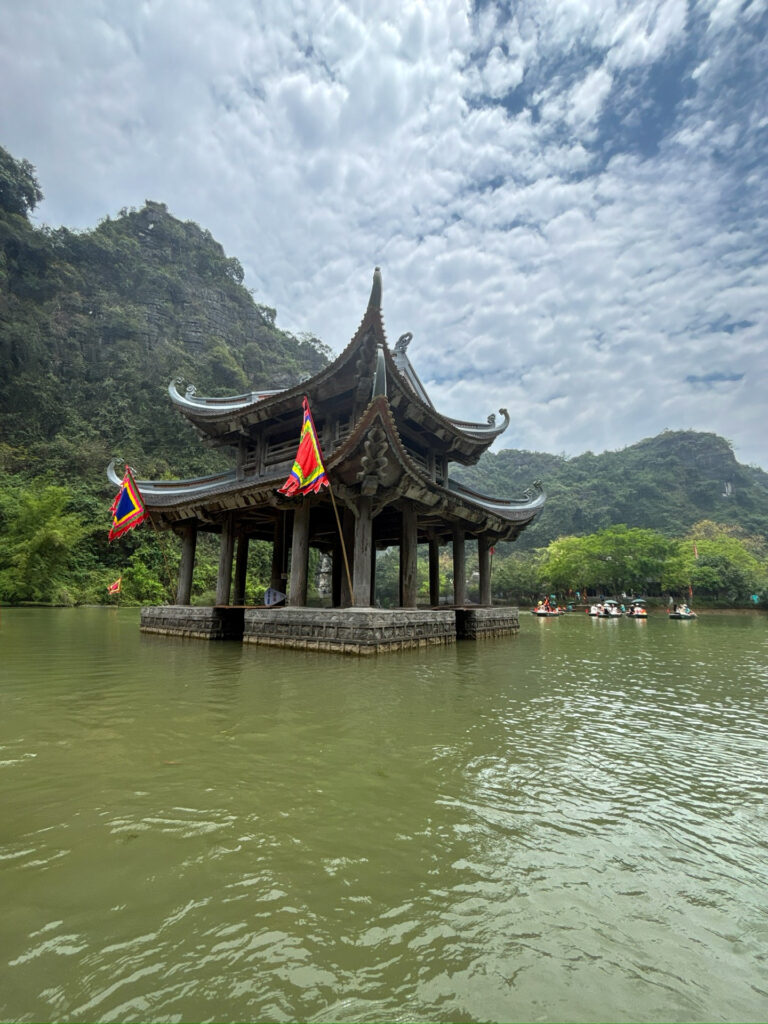
Floating Pagoda in Trang An
Bai Dính Pagoda
is one of the largest Buddhist temple complexes in Southeast Asia and is the second largest pagoda complex in Vietnam. The moment you arrive, you immediately understand why it’s so famous – everything here feels monumental.
The scale of the complex is truly impressive. Massive courtyards stretch between grand temple halls, long covered corridors are lined with hundreds of Arhat statues, and enormous bronze Buddha statues tower inside the main prayer halls. The architecture blends traditional Vietnamese design with dramatic, almost overwhelming proportions. It feels less like visiting a single temple and more like exploring an entire spiritual city built into the hills.
Because the complex is so vast, you have the option of taking an electric golf cart from the entrance to the temple grounds. Entry to the pagoda itself is free, but the golf cart requires a separate ticket, which can be purchased at the entrance. We visited in the afternoon and it was burning hot, so we opted for the cart – and it made a big difference.
Electric car services cost approximately 60,000–80,000 VND ($2.50–$3 USD) for a round trip. The Bao Thap Tower (stupa) costs 50,000 VND ($2 USD) to enter.
The cart takes you to a designated stop area near the main temple complex. From there, you’re free to explore at your own pace – walking through the halls, climbing stairs, and entering the temples. Once you’re finished exploring, either another cart will already be waiting at the stop, or you can simply wait a few minutes for the next one to arrive. It’s an efficient and convenient system, especially on hot days.
Plan to spend at least two to three hours here. Wear comfortable shoes, bring water, and be prepared for a lot of walking – even with the cart.
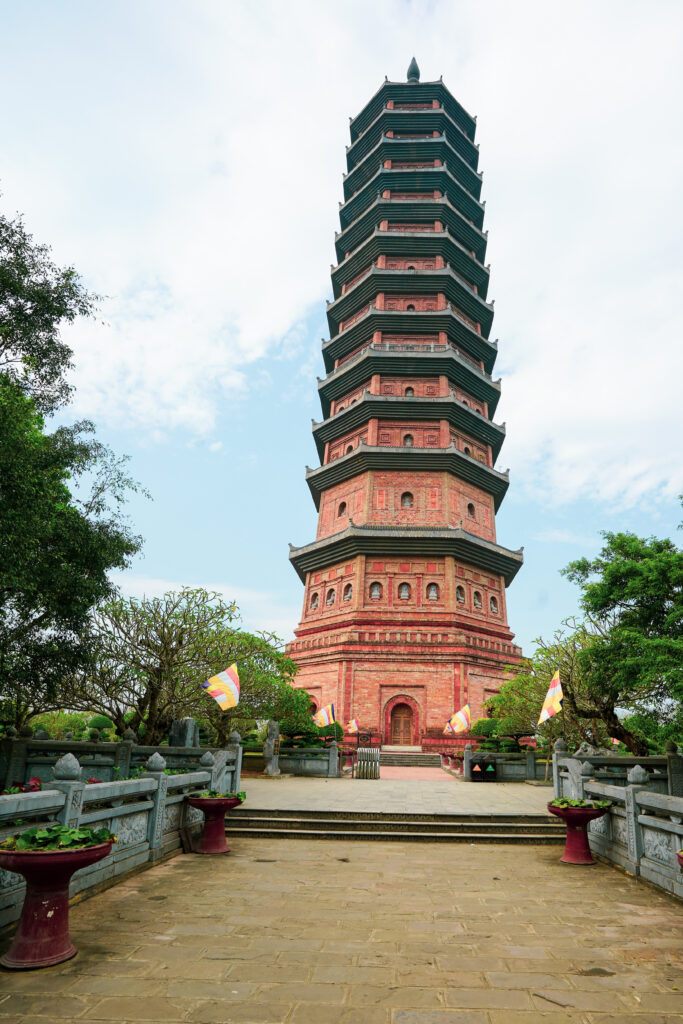
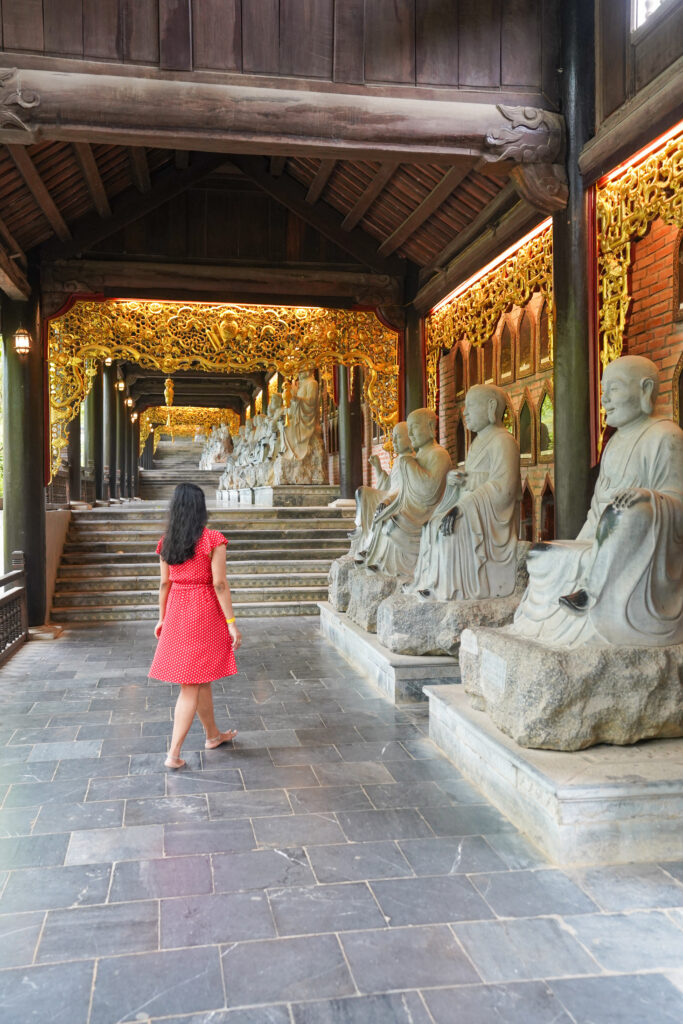
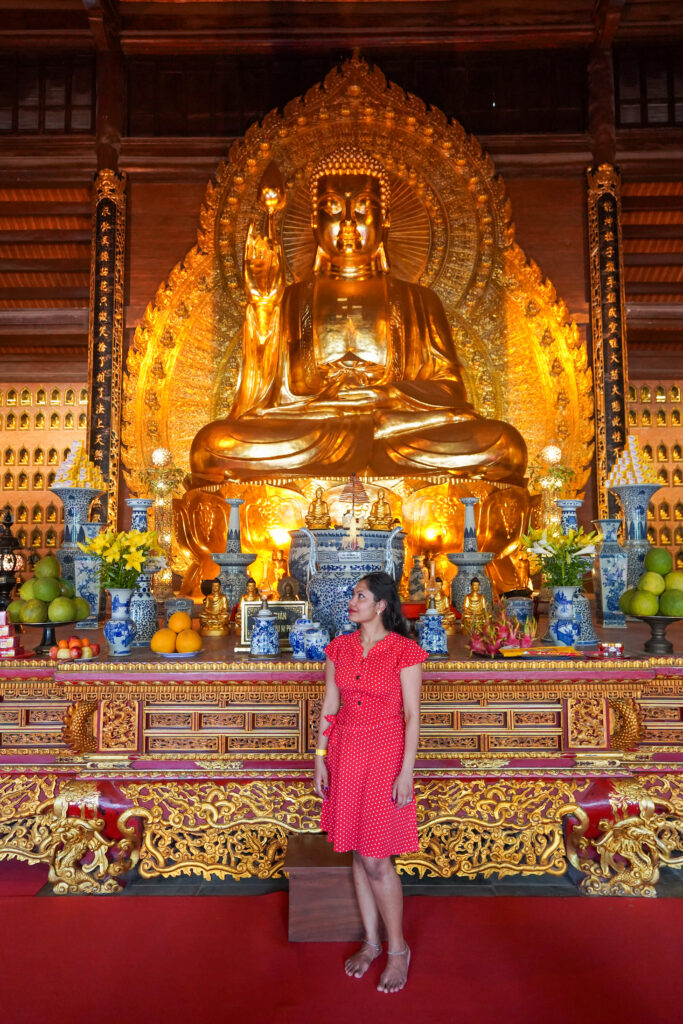
Bai Dính Pagoda
Day 7 Hanoi
Hanoi is a vibrant city full of energy, culture, and incredible street life. It’s also the place where you’ll see thousands of scooters everywhere, weaving through the streets in a way that feels chaotic but fascinating at the same time. It’s all part of the charm of traveling in Vietnam.
Hanoi Train Street
One of the most unique experiences in Hanoi is visiting the famous Hanoi Train Street, and the best part? It’s only 5–7 minutes’ walk from our hotel, Serene Central Hotel – super convenient if you’re staying in the Old Quarter.
The streets on both sides of the tracks are lined with cozy cafés and small shops. If you’re unsure when the train will come, just ask a café owner – they always know the exact time and the direction it’s coming from. When we visited, we waited about 45 minutes to an hour for the train. My advice: arrive at least an hour early so you can grab a good spot to watch and take photos.
Right before the train arrives, a security guard comes around to make sure everyone is keeping a safe distance. That said, the train still passes very close to you – and the moment it zooms by delivers a real adrenaline rush! It’s thrilling, a little surreal, and an experience you won’t forget. Whether you’re a train enthusiast, a photographer, or just looking for a memorable Hanoi moment, this spot is not to be missed – and the convenience of staying at Serene Central Hotel makes it even easier to experience.
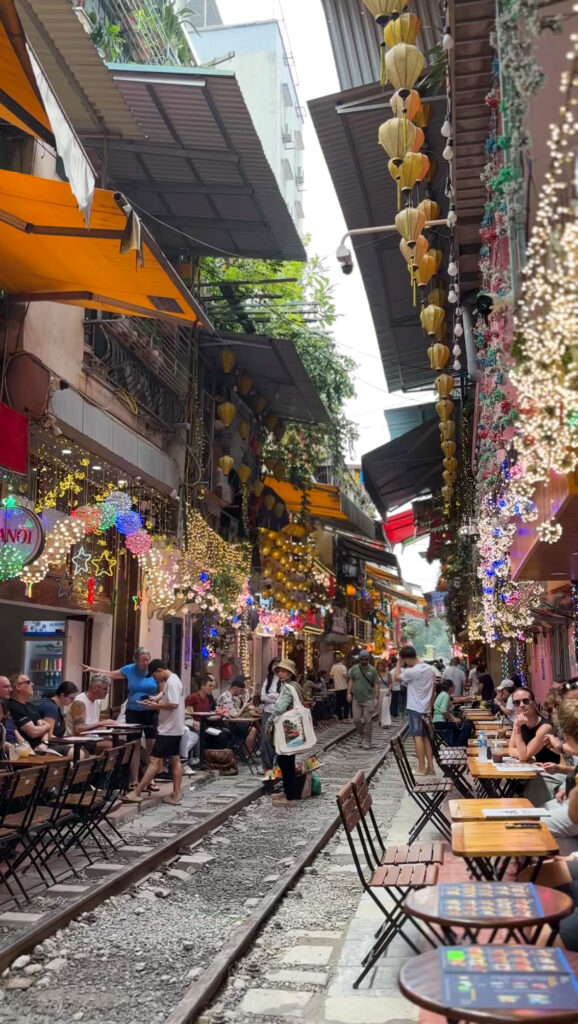
Exploring Hanoi’s Old Quarter – The Heartbeat of the City
Hanoi’s Old Quarter is where the city’s soul truly comes alive. Walking through its narrow streets is like stepping back in time — centuries-old buildings squeeze together with bustling shops, street vendors, and scooters weaving through every corner. Each street seems to have its own specialty: one lined with silk shops, another with coffee stalls, another with handcrafts, and yet another with food carts tempting you with sizzling bánh mì (Vietnamese sub), steaming pho, or sweet egg coffee. Trying the street food here is a must – it’s authentic, delicious, and part of the Old Quarter experience.
The charm of the Old Quarter isn’t just in the products or food; it’s in the rhythm of daily life. Locals sit on tiny plastic stools sipping coffee, children dart through the alleys, and artisans hammer away at wood or metal in tiny workshops. Every corner feels alive, chaotic, and perfectly authentic. Despite the buzz, there are quiet moments to find too. Small temples tucked between shopfronts, tree-shaded corners, and the occasional colonial-era building give you a glimpse of Hanoi’s rich history. And because so much of the Old Quarter is pedestrian-friendly, walking is the best way to soak it all in.
Exploring the Old Quarter isn’t just sightseeing; it’s a full sensory experience, from the smells and sounds to the colors and textures that make Hanoi unforgettable.
Hoan Kiem Lake & Ngoc Son Pagoda – A Peaceful Escape in the Heart of Hanoi
Right in the center of Hanoi lies Hoan Kiem Lake, one of the city’s most iconic landmarks. Surrounded by tree-lined paths, charming cafés, and bustling streets, the lake offers a peaceful escape from the city’s energy. Early morning or late afternoon is the perfect time to visit – locals practice tai chi, joggers circle the lake, and the soft light makes for stunning photos.
At the northern end of the lake sits Ngoc Son Pagoda, a small but beautiful temple perched on a tiny island. To reach it, visitors cross the Huc Bridge, a bright red wooden bridge that’s almost as famous as the pagoda itself. The pagoda dates back to the 18th century and honors national heroes and scholars, giving visitors a glimpse into Vietnam’s spiritual and cultural heritage.
Tickets to enter Ngoc Son Pagoda are very affordable, typically around 30,000 VND (~$1.25 USD) per person.
- Opening Hours: 8:00 AM – 6:00 PM (Monday–Sunday).
They accept cash only, dress respectfully (cover shoulders/knees). This makes it easy to combine with a leisurely stroll around Hoan Kiem Lake, enjoy a coffee at a nearby lakeside café, and soak in the atmosphere without spending much. Whether you’re photographing the reflections of the city skyline on the water, watching local life unfold, or stepping inside the pagoda for a moment of quiet reflection, this spot is a must-visit for anyone exploring Hanoi.
End the day with Spa
After a day exploring the busy streets of Hanoi, there’s nothing better than slowing down with a relaxing spa treatment. The city is full of beautiful spas, and you’ll find plenty of places offering massages, facials, and other treatments to help you unwind.
I chose to have a pedicure and facial, and it was the perfect way to end my trip to Vietnam. After days of exploring, it felt amazing to relax and recharge before heading home.
Planning a trip to Vietnam?
Save this guide for later and feel free to ask me any questions in the comments — I’m always happy to help!